
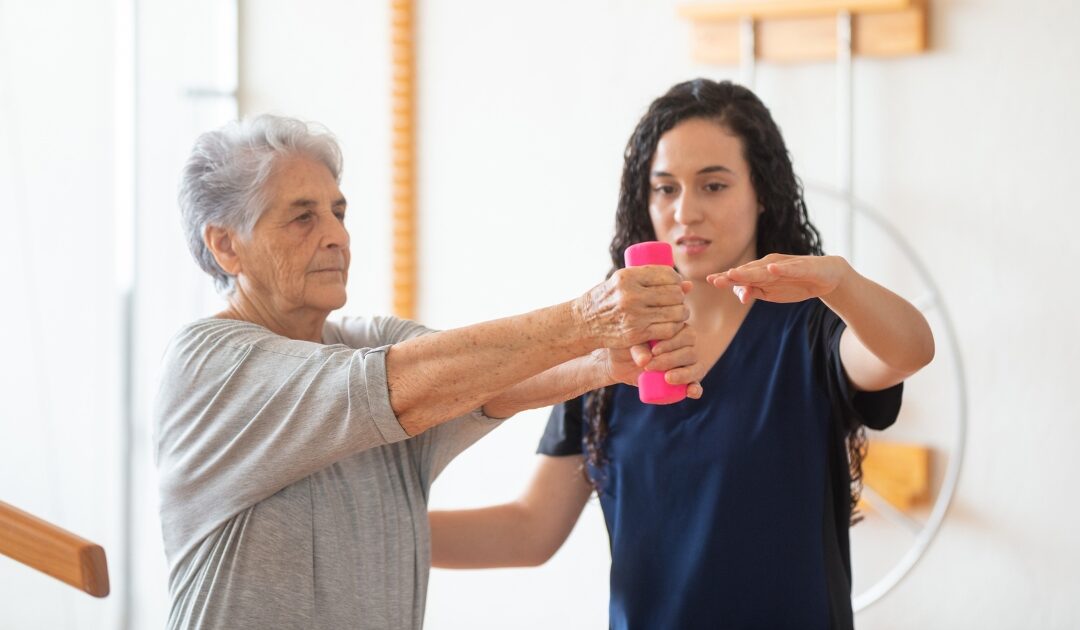
Recovering from surgery can be especially challenging for older adults. Even successful procedures can leave seniors feeling weak, fatigued, and less mobile than before.
Without proper rehabilitation, recovery may take longer and complications can become more likely.
That’s why physical therapy plays such a critical role after surgery.
At Carriage Town Skilled Nursing & Rehabilitation Center in Amesbury, MA, physical therapy is an essential part of helping seniors regain strength, mobility, and independence after hospitalization or surgery.
Whether your loved one has undergone a hip replacement, knee surgery, spinal procedure, or cardiac operation, structured rehabilitation can significantly improve recovery outcomes.
Why Recovery Is Harder for Seniors
As we age, the body naturally heals more slowly.
Seniors often face additional recovery challenges such as:
- Reduced muscle strength
- Lower balance and coordination
- Joint stiffness
- Chronic pain
- Limited mobility
- Higher fall risk
After surgery, these challenges can become even more noticeable.
A short period of inactivity can quickly lead to:
- Muscle loss
- Weakness
- Reduced endurance
- Difficulty walking
- Increased dependency
This is why early rehabilitation matters.
The sooner safe movement begins, the better the recovery potential.
What Is Physical Therapy?
Physical therapy is a specialized treatment program designed to restore movement, strength, balance, and physical function.
After surgery, physical therapists create personalized recovery plans based on:
- Surgical procedure
- Age
- Strength level
- Mobility limitations
- Pain levels
- Recovery goals
At Carriage Town rehabilitation services, therapy programs are tailored to each resident’s unique recovery journey.
The goal is simple:
Help seniors recover safely and return to daily life with maximum independence.
1. Physical Therapy Improves Mobility
One of the biggest benefits of physical therapy is restoring movement.
After surgery, even simple tasks may feel difficult:
- Standing up
- Walking
- Climbing stairs
- Getting in and out of bed
- Sitting comfortably
Therapy exercises gradually improve:
- Joint movement
- Flexibility
- Range of motion
- Walking ability
Improved mobility reduces dependence on others and builds confidence.
For many seniors, this is one of the most important milestones in recovery.
2. It Rebuilds Strength
Surgery often leads to temporary weakness.
Even a few days in a hospital bed can cause noticeable muscle loss.
Physical therapy helps rebuild strength in:
- Legs
- Core muscles
- Back
- Hips
- Shoulders
Strength training is introduced gradually and safely.
This helps residents perform everyday tasks more easily.
Stronger muscles also reduce strain on healing joints and improve overall recovery speed.
3. It Reduces Fall Risk
Falls are a major concern during post-surgical recovery.
After surgery, seniors may experience:
- Weakness
- Dizziness
- Poor balance
- Pain-related movement hesitation
These factors greatly increase fall risk.
Therapists work on:
- Balance training
- Walking techniques
- Safe transfers
- Assistive device use
- Stability exercises
At Carriage Town, our skilled care team prioritizes fall prevention because avoiding reinjury is essential during recovery.
You can learn more about our patient-centered approach on the About Us page.
4. Physical Therapy Helps Manage Pain
Movement may sound difficult when pain is present, but appropriate movement often reduces pain over time.
Therapy can help relieve:
- Joint stiffness
- Muscle tightness
- Post-surgical soreness
- Swelling
- Limited range of motion
Guided exercises improve circulation and reduce stiffness.
This often decreases reliance on pain medications over time.
Pain management through movement supports healthier recovery.
5. It Prevents Complications
Remaining inactive for too long after surgery can cause complications.
Potential risks include:
- Blood clots
- Pressure injuries
- Muscle atrophy
- Poor circulation
- Lung complications
- Reduced endurance
Physical therapy helps prevent these complications by encouraging safe movement and progressive activity.
This improves both short-term and long-term health outcomes.
6. It Restores Independence
For many seniors, the biggest fear after surgery is losing independence.
They may worry:
- “Will I walk normally again?”
- “Can I return home safely?”
- “Will I need permanent assistance?”
Physical therapy directly supports independence by improving functional abilities.
Therapists help residents practice real-life tasks such as:
- Walking to the bathroom
- Getting dressed
- Standing safely
- Using stairs
- Moving without assistance
These daily-life skills are crucial for successful discharge planning.
Families navigating recovery often benefit from reviewing the admissions and care planning process to better understand treatment expectations.
Common Surgeries That Benefit from Physical Therapy
Physical therapy is highly beneficial after surgeries such as:
- Hip replacement
- Knee replacement
- Back surgery
- Spinal procedures
- Cardiac surgery
- Fracture repair
- Shoulder surgery
Recovery plans vary, but rehabilitation remains essential in nearly every case.
How Long Will Therapy Last?
Recovery timelines vary depending on:
- Type of surgery
- Age
- Overall health
- Pre-surgery mobility
- Recovery progress
Some seniors need therapy for a few weeks.
Others may require longer rehabilitation.
Consistent participation leads to better outcomes.
The key is patience and progress.
Why Skilled Rehab Makes a Difference
Recovering at home isn’t always the safest option immediately after surgery.
Many seniors need:
- Medical supervision
- Therapy access
- Medication support
- Pain management
- Fall prevention
That’s where short-term skilled rehabilitation becomes valuable.
In a professional rehabilitation setting, seniors receive both medical care and therapy under one roof.
This creates a safer, more efficient recovery environment.
Let Carriage Town Support Recovery
Surgery is only the first step—recovery is where true healing happens.
Physical therapy helps seniors regain movement, rebuild strength, reduce pain, and return to life with greater independence.
At Carriage Town Skilled Nursing & Rehabilitation Center, our rehabilitation team supports every resident with personalized recovery plans focused on safe, effective healing.
If your loved one needs post-surgical rehabilitation, we are here to help.
📞 (978) 388-4682 | 📧 info@carriagenh.com | 📍 22 Maple St., Amesbury, MA
Why is physical therapy important after surgery for seniors?
Physical therapy helps seniors regain strength, improve mobility, reduce pain, and prevent complications after surgery.
How soon should physical therapy start after surgery?
In many cases, therapy begins within days after surgery, depending on physician recommendations and patient condition.
Can physical therapy reduce fall risk?
Yes. Therapy improves strength, balance, and walking ability, significantly lowering fall risk during recovery.
Does Carriage Town offer post-surgical rehabilitation?
Yes. Carriage Town provides skilled rehabilitation services, including physical therapy for post-surgical recovery in Amesbury, MA.
How long does post-surgical therapy last?
Therapy duration varies based on surgery type, overall health, and recovery progress, ranging from weeks to months.